
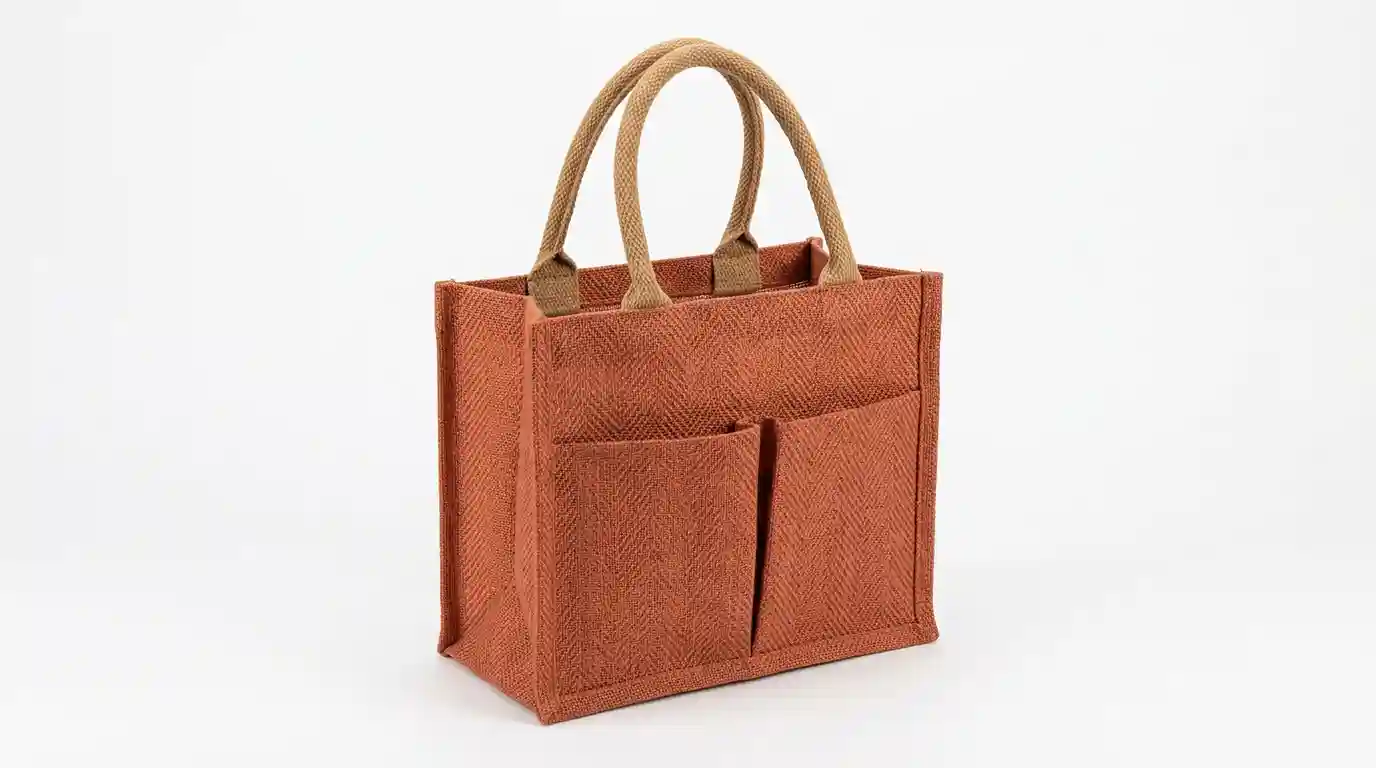
Is jute actually biodegradable?
Yes. Jute is a natural plant fibre, so an untreated jute bag is biodegradable and, in the right conditions, compostable — it breaks down without leaving microplastics behind. This is the core reason brands choose jute over synthetic "eco" alternatives that are really just thin plastic.
Jute vs plastic bags
A single-use plastic bag is used for minutes and can persist in the environment for centuries, shedding microplastics. A jute bag is reusable for years and returns to the soil at end of life. Even accounting for manufacturing, the long reuse life of a jute bag spreads its footprint across hundreds of uses.
The honest version: No bag is "zero impact" — making any bag uses resources. What makes jute genuinely better is the combination of a renewable raw material, a long reusable life and a biodegradable end of life. Reuse is what matters most — encourage customers to use the bag many times.
Jute vs cotton
Both are natural and reusable, but jute generally needs less water and fewer inputs to grow than conventional cotton, and the plant grows quickly. Cotton is softer and takes fine print beautifully, which is why many brands use blends like juco (jute + cotton). For a full comparison, see jute vs cotton vs canvas vs juco.
Reusability & lifespan
A well-made jute bag easily lasts for years of regular use. That durability is the real environmental win: the more times a bag replaces single-use plastic, the bigger its benefit. Sturdy handles and good stitching directly extend that life.
Certifications that back up your claims
If you sell to retailers or export markets, certifications add credibility:
- GOTS / GRS — organic and recycled content standards
- Compostability / biodegradability declarations
- REACH compliance for dyes and chemicals — see REACH-compliant bags for the EU
Ask your manufacturer which they can support for your order.
Turning eco-credentials into a brand story
Sustainability sells — but only if it's credible. Use specific, honest language ("reusable, biodegradable jute, low-impact dyes") rather than vague "eco" claims. A branded jute bag also keeps your logo in front of customers every time it's reused, so it's marketing and sustainability in one.
Frequently asked questions
Are printed jute bags still biodegradable? The jute fabric is; ask for low-impact, water-based inks to keep the whole bag as clean as possible.
Is laminated jute still eco-friendly? Lamination adds a thin coating for water resistance, which reduces compostability — choose it where durability matters most.
Can jute bags be recycled? They're best reused for as long as possible; at end of life untreated jute can be composted.
Ready to start? Vadalo Ventures is a direct jute, cotton, canvas and juco bag manufacturer in Kolkata — MOQ 500 pcs, free digital sample, worldwide export. Request a free quote or message us on WhatsApp.